




Top Stress-Busting Trick You Need to Know
I want to share an experience I had recently that I believe many of you can relate to.
This morning was a whirlwind. I was running around, both figuratively and literally, juggling all the tasks that life throws at me daily (I know you feel me on this).
As I tried to concentrate on a particular project, my mind kept wandering to other responsibilities. Gradually, I felt a tightness in my chest—a familiar sign of stress creeping in. Despite attempting some breath work, the tension wouldn’t ease.
That’s when I decided to step away from the chaos. I went for a walk, accompanied by a walking meditation. Just 20 minutes later, the tightness had melted away, and I felt recharged and ready to tackle my tasks with renewed focus.
The Power of Walking Meditation
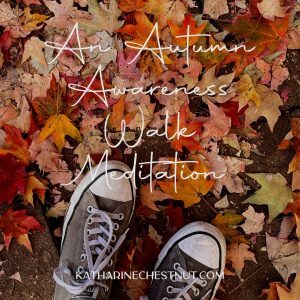
A walking meditation is a simple practice that combines the physical benefits of walking with the mental benefits of mindfulness. Unlike traditional seated meditation, walking meditation involves focusing on the experience of walking itself. This can include the sensation of your feet touching the ground, the rhythm of your breath, and the sights and sounds around you.
For many, walking meditation is more accessible than sitting meditation. It allows you to engage your body and mind simultaneously, making it easier to stay present. Plus, the physical activity can help release built-up tension and stress.
How to Practice Walking Meditation
- Find a Quiet Space: Choose a location where you can walk undisturbed for at least 20 minutes. This could be a park, a quiet street, or even a large room. I go for a walk on the Atlanta Beltline several times a day.
- Start Walking Slowly: Begin by walking at a slow, deliberate pace. Focus on each step, feeling the ground beneath your feet.
- Pay Attention to Your Breath: As you walk, notice your breathing. Try to sync your steps with your breath, creating a rhythm that feels natural.
- Engage Your Senses: Take in your surroundings. Notice the colors, sounds, and smells around you. Allow yourself to fully experience the present moment.
- Return to Your Breath: If your mind starts to wander, gently bring your attention back to your breath and your steps.
The Benefits of Taking a Break
Stepping away from your tasks, even for a short period, can have significant benefits. It allows your mind to reset and can lead to increased focus and productivity when you return to your work. Additionally, physical activity, like walking, can reduce stress hormones and increase endorphins, promoting a sense of well-being.
My Personal Experience
How many of you have felt this way? I know I’m not alone in this experience. It’s a reminder of the importance of taking a moment for ourselves, even when it feels like we don’t have the time.
Making Time for Yourself
Remember, taking a moment for yourself is not a luxury—it’s a necessity. In our fast-paced world, it can be easy to neglect self-care. However, making time for activities that promote relaxation and mindfulness is crucial for our mental and physical health.
Taking a step back and practicing mindfulness can transform your approach to stress. Whether it’s through walking meditation or another form of self-care, make it a priority to find what works best for you. Your well-being is worth it.
